Explore calm, repeatable rituals for focus, recall, sleep, organisation and steadier mental energy after 40. These articles include memory cues, short focus practices, tracking tools and label-first supplement guides. New, rapidly worsening or safety-affecting memory changes deserve clinical assessment rather than self-treatment.
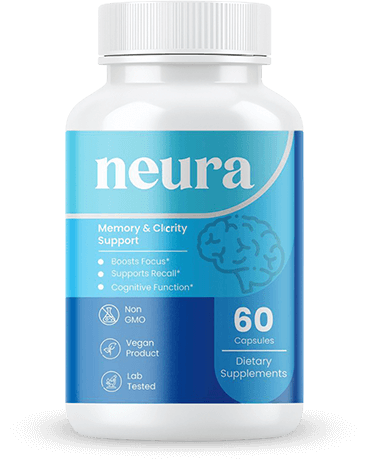
This checklist covers the ingredients currently presented for Neura, the label details worth confirming, and the health questions to ask before adding any memory supplement after 40.
Affiliate note: If you decide it fits your checklist, you can review Neura through our sponsored link.
What to check on the label
The product page highlights lion’s mane, goji, Bacopa monnieri and shilajit. Before purchasing, compare those names with the current Supplement Facts panel and note the amount per serving, serving size and whether any ingredients sit inside a proprietary blend.
Check the complete ingredient and allergen statements.
Confirm the suggested daily serving.
Look for batch, expiry and manufacturer information.
Save a photo of the label for your pharmacist.
Medication and health questions to ask first
Ask a doctor or pharmacist to review the complete label if you use prescription medication, manage a chronic condition, are pregnant or nursing, or already take another memory formula. Combining several blends can unintentionally duplicate ingredients.
Do not self-treat sudden confusion, weakness, speech changes or a rapid change in memory. Those signs deserve prompt medical assessment rather than a supplement trial.
A simple ritual to pair with it
Keep a 14-day note with four items: sleep hours, water intake, the serving taken and a one-to-five focus score. Take only the labeled amount and change one part of your routine at a time.
Why this deserves a structured ritual
Memory and concentration naturally vary with sleep, stress, meals and medication. A short written record makes it easier to discuss patterns without assuming the capsule caused every good or difficult day.
This is general wellness information, not medical advice, and the site may earn a commission through affiliate links.
Memory-supplement labels can look precise while still leaving important questions unanswered. This checklist helps adults over 40 compare the current bottle, prepare medication questions, and avoid treating a product name as proof of benefit.
Safety note: New, worsening, or disruptive memory changes deserve medical attention. Do not use a supplement review to self-diagnose or delay an assessment.
Kate turns a supplement label into a short list of pharmacist questions.
Start with the complete label
Serving size and servings per container
Every dietary ingredient and its amount
Any proprietary blend with undisclosed individual amounts
Other ingredients, including allergens and capsule materials
Directions, warnings, storage instructions, and responsible company
Lot number and expiration or best-by information
Use a photograph of the label on the bottle you would actually receive. Do not copy a dosage from an old review, marketplace listing, or promotional graphic. The FDA notes that dietary supplements are not approved for effectiveness before marketing and advises consumers to consult a doctor, pharmacist, or other health professional because supplements may interact with medicines or other supplements. See the FDA dietary-supplement questions and answers.
Questions to ask a pharmacist
Could any ingredient interact with my prescriptions or over-the-counter medicines?
Does it duplicate anything in my multivitamin or another supplement?
Should I avoid it before a procedure or laboratory test?
Are any ingredients unsuitable with my health conditions?
What unwanted effects should make me stop and seek advice?
Bring the full label and a complete list of what you take. “Natural” and “stimulant-free” are product descriptions, not guarantees that a formula is appropriate for every person.
A five-minute label ritual
Minute 1: Write the exact product and version. Minute 2: photograph the Supplement Facts and other-ingredients panels. Minute 3: mark any missing amounts or unclear terms. Minute 4: compare the list with your current medicines and supplements. Minute 5: write the one question you need answered before buying.
Why this deserves a structured ritual
Memory concerns can make a confident sales page feel especially persuasive. A written checklist slows the decision down and keeps the current label, the seller’s claims, your health history, and the price in separate columns. That makes it easier to postpone a purchase when information is incomplete.
If you keep searching for your keys just as you need to leave, make the environment do more of the remembering. A designated place and a repeatable arrival cue are practical starting points. This EnduraMind companion guide focuses on that small daily problem while keeping the supplement’s claims separate from the routine.
Affiliate disclosure: This article contains affiliate links. We may earn a commission if you purchase through them, at no extra cost to you. This is an editorial label guide, not a report of personal product testing or medical advice.
Choose one missing-item problem
Start with keys, a wallet, or reading glasses—not all three. Select the item that most often delays you. Write down the actual difficulty: “I put my keys in different rooms when I get home.” That statement points to a routine you can change. “My memory is bad” is too broad to guide a small experiment.
Choose a storage spot that is easy to see and reach during your normal arrival sequence. A small tray inside a cupboard or on a suitable shelf may work. Consider who else uses the space and keep important items secure. Avoid selecting a spot simply because it looks attractive in a photograph.
Build the arrival cue
Step 1: choose the moment. Link the action to something that already happens, such as closing the door or putting down your bag. Make the instruction concrete: “When I put down my bag, I place my keys in the tray.”
Step 2: remove a competing step. If you usually carry the keys to the kitchen while checking your phone, put them away before opening a message. You are reducing an opportunity for distraction rather than trying to remember harder at the end of a busy day.
Step 3: leave a modest visual reminder. A small note near the landing spot can help establish the sequence. Keep it specific and temporary: “Keys here.” If your household shares the location, agree on where each person’s items belong so one person’s tidy-up does not undo another’s system.
Step 4: use the same spot the next day. Resist changing the arrangement after a single imperfect attempt. When it fails, ask what interrupted the sequence. If the location is genuinely inconvenient, move it once and begin again with a clearer cue.
What a seven-day record can show
Use three columns: arrival cue used, item easy to find, and interruption. Tick the first two and add a few words to the third only when helpful. Keep this exercise brief; it should save attention, not become another task to maintain.
At the end of seven days, look for practical friction. Did you arrive with shopping bags? Did another person move the tray? Did the item remain in a coat pocket? Change the environment in response to the pattern rather than treating a missed day as a personal failure.
This record measures whether the routine is convenient. It is not a memory test, a diagnostic tool, or evidence that a supplement changed cognition. Do not add a new supplement and several other habits at once, then attribute the entire week’s result to one bottle.
Where EnduraMind fits in this decision
Official product image from the vendor destination. Confirm the product name and formulation at checkout.
The EnduraMind affiliate offer used on this site leads to a Roar Lion’s Mane product destination. Because those names differ, check the current landing page, label, and checkout carefully before ordering. Do not assume two products with similar memory-support descriptions are interchangeable.
This article does not establish that the finished product prevents dementia, treats a memory disorder, or stops everyday forgetfulness. An ingredient name or a story about focus is not enough to support those claims. The keys-and-wallet routine can be used independently of any purchase.
If you are considering the supplement, obtain the complete current ingredient panel, amounts, directions, and warnings. Take the panel and your medication list to a pharmacist or clinician. Check the total cost, quantity, any recurring billing, and return terms. If the product page changes, repeat those checks instead of relying on a screenshot from an old review.
Keep everyday slips and concerning changes in perspective
The National Institute on Aging’s guide to forgetfulness discusses practical aids such as notes, calendars, and keeping everyday items in the same place. Occasional slips do not establish a diagnosis. Changes that interfere with everyday activities deserve medical discussion rather than an assumption that they are simply age-related.
Prepare examples for that conversation: what happened, when it started, how often it occurs, and whether someone else has noticed a change. Bring your medicine and supplement list. A professional can decide which possible causes and next steps are relevant. Avoid trying to score yourself using a promotional quiz.
Make the routine usable on busy days
Kate is an AI-generated editorial character. This image illustrates a routine, not a customer testimonial.
Create a fallback for unusual arrivals. If you cannot reach the usual spot immediately, choose a single temporary place that you will clear before the evening ends. Tell others who share the space. The fallback should be simple enough to remember when your hands are full.
Once the first item has a reliable home, decide whether a second item needs a separate location. Keep the instruction equally concrete. Avoid turning one useful cue into an elaborate system with color codes, several apps, and a long evening checklist unless those tools already work for you.
For wider support, the routine can sit alongside ordinary sleep, social, and activity habits that fit your circumstances. It should not displace care for a health problem or become a claim that organization alone fixes all memory difficulties. Small environmental changes address a small, defined task.
Common questions
Do I need EnduraMind to use this routine? No. The routine requires a suitable storage spot and a repeatable cue. Purchasing a supplement is a separate decision.
Does finding my keys faster prove my memory improved? It shows that this arrangement helped with this task. It does not measure general cognition or establish a product effect.
What should I do if the problem is getting worse? Record concrete examples and arrange a medical discussion. Do not keep escalating supplements while putting off assessment of changes that affect daily life.
For a broader planning routine, see our EnduraMind morning-focus review. If fatigue or symptoms lead you toward another supplement, our LIV PURE morning guide illustrates questions to ask before adding a product.
This checklist covers Phytomem One’s stated ingredients, medication questions and purchase terms. Use it to identify missing label details before considering a supplement marketed for memory and mental clarity.
What to check on the label
Phytomem One is described as a 10-in-1 neuro-essential capsule formula organised into three named ingredient groups. The supplied description highlights Morosil, a Sicilian red orange extract, alongside Saffron Extract, Berberine HCl and Fucoxanthin.
That description does not provide the complete ingredient list, group names, amounts or daily directions. Request a readable label before buying. Check what each serving contains rather than assuming “10-in-1” explains the formula or establishes its benefits.
The manufacturer describes the formula as non-GMO, stimulant-free and “100% natural.” Treat these as product claims; they do not answer whether the ingredients are suitable for your circumstances.
Medication and health questions to ask first
Bring the complete label and your current medication and supplement list to your doctor or pharmacist. Ask about the individual ingredients and their amounts. Consult your doctor before combining it with existing medication.
Do not self-treat a warning sign or postpone assessment of a concerning memory change while trying a supplement.
Check the purchase terms
Listed prices are $79 per bottle for two bottles, $59 for three and $49 for six. The three- and six-bottle packages advertise free US shipping and three bonus eBooks. A 60-day money-back guarantee is offered; confirm the applicable refund instructions and checkout total.
A simple ritual to pair with it
Take five minutes to write tomorrow’s priorities and choose a consistent place for your keys and essential items. Keep any questions about memory or concentration in a separate note for your appointment.
Why this deserves a structured ritual
A checklist separates everyday organisation from a supplement purchase. Clear ingredient information and individual advice should guide the decision, rather than bundle size or bonus materials.
Related rituals
Continue with these related Simple Health Rituals guides:
The fastest way to waste money on a focus supplement is to judge it by one energetic morning.
This seven-day EnduraMind journal gives adults over 40 a controlled way to evaluate a focus ritual without pretending that a supplement can diagnose brain fog. You will keep sleep, caffeine, hydration and the work task visible, then decide from a pattern rather than a feeling.
A short written scorecard helps Kate separate a repeatable pattern from one unusually good day.
Why this deserves a structured ritual
Brain fog changes from day to day. A late night, skipped breakfast, stressful message or extra coffee can produce a bigger effect than a supplement. Without a journal, all of those variables collapse into the vague conclusion that the product “worked” or “did nothing.”
Do not self-treat a warning sign. Sudden confusion, speech trouble, one-sided weakness, fainting, a severe unusual headache or rapidly worsening memory needs urgent evaluation. Persistent changes that affect work, driving or medication management deserve a clinician visit.
What EnduraMind is—and what to verify
EnduraMind is marketed in the brain-and-focus category and is associated with lion’s mane. Treat it as an optional variable, not the entire intervention. Verify the current label and serving directions because a product name cannot show exact amounts, added ingredients or suitability for your health situation.
Affiliate note: Simple Health Rituals may earn a commission if you purchase through the sponsored link below, at no extra cost to you. That never replaces the label, your medication list or professional advice.
ROAR Lion’s Mane bottle shown on Dr. Love’s official product website. EnduraMind is the offer name used in this article.
Use the same 20-minute task type daily—reading, planning or bookkeeping. Do not test focus while driving.
Step 2: Score the baseline
Rate alertness, calm and ability to begin from 1 to 10. Record sleep hours, breakfast and water.
Step 3: Use the label-directed routine
If EnduraMind is appropriate for you, use only the current label-directed serving at the same time. Add no other new supplement.
Step 4: Run one distraction-controlled block
Silence notifications, put the phone away and work for 20 minutes. Count pages, planned items or another visible output.
Step 5: Close the loop at night
Write one sentence naming what most helped or harmed focus. This exposes sleep and stress effects the morning score missed.
The current-label checklist
Read the full current label, serving directions and warnings—not only the sales-page headline.
Check exact amounts, allergens, stimulants and proprietary blends.
Review refund, renewal and subscription terms before paying.
Photograph the label for a pharmacist if you use medicines or other supplements.
Change one variable at a time and never double a missed serving.
Use a scorecard, not a hunch
Average the before-and-after focus change across all seven days and count unwanted effects. A small repeatable improvement is more meaningful than one dramatic score. No clear pattern is a reason to avoid increasing the serving on your own.
Daily check
Record
Baseline
Sleep, food, water, stress and symptoms before the ritual
Routine
Time, label-directed serving and the action you completed
Outcome
A 1–10 score plus one observable result
Tolerance
Any headache, stomach upset, restlessness, rash or other change
Who should pause?
Ask a clinician or pharmacist before lion’s mane or multi-ingredient cognitive products if you use blood thinners, diabetes medicines, immunosuppressants or multiple prescriptions; have mushroom allergies, autoimmune, liver or kidney disease; are preparing for surgery; or are pregnant or breastfeeding.
Bottom line
A seven-day journal cannot prove a medical benefit, but it can expose noise, improve your habits and prevent impulsive reordering. EnduraMind earns a place only if the current label fits, the routine is sustainable and the recorded response is consistently useful.
Medical disclaimer: Educational only; not medical advice. Supplements are not intended to diagnose, treat, cure or prevent disease. Product labels and individual responses can change.
A lion’s mane product can look convincing on a landing page and still leave the most important questions unanswered.
This EnduraMind ingredients guide is for readers who want to slow down before ordering. It explains the label details that determine whether a mushroom supplement is transparent, how to compare the current offer with the bottle that arrives, and how to build a short verification ritual before the first serving.
Kate keeps the current label beside her notes so ingredients, timing and response stay easy to verify.
The problem this ritual is designed to solve
Adults over 40 often search for a focus supplement during a stressful week, then buy before checking dose, extraction, allergens or medication fit. The urgent solution is not a stronger promise; it is a repeatable label check that prevents an unsuitable product from becoming an expensive daily habit.
Important: sudden confusion, trouble speaking, one-sided weakness, fainting, a severe unusual headache or rapidly worsening symptoms need urgent medical care. Persistent memory or concentration changes deserve a clinician review rather than a supplement experiment.
EnduraMind: what the offer appears to be
EnduraMind, also promoted as Roar Lion’s Mane, sits in the cognitive-support category. The offer emphasizes lion’s mane, but the exact current facts must come from the Supplement Facts panel. Species, fruiting body versus mycelium, extraction method, serving size, added ingredients and testing can materially change how two products should be judged.
Affiliate note: Simple Health Rituals may earn a commission if you buy through the sponsored link below, at no extra cost to you. The practical and safety checks in this guide remain the same whether or not you buy.
ROAR Lion’s Mane bottle shown on Dr. Love’s official product website. EnduraMind is the offer name used in this article.
The 12-minute EnduraMind label-verification ritual
Step 1: Photograph the current label
Capture the front, Supplement Facts, other ingredients, warnings, lot information and suggested use. If the sales page and delivered label differ, pause and contact the seller before opening the bottle.
Step 2: Circle exact amounts
Write the amount of each active ingredient per serving, not per capsule. Treat an undisclosed proprietary blend as less transparent than individually listed amounts.
Step 3: Check the mushroom description
Look for the species name and whether the material is fruiting body, mycelium or a combination. Note any beta-glucan or quality-testing information only when the current label or certificate supports it.
Step 4: Compare against your medication list
Put prescriptions, over-the-counter medicines and other supplements beside the label. A pharmacist can identify duplication or interaction risks more reliably than an online testimonial.
Step 5: Set a baseline before the first serving
Record sleep, caffeine, stress and a 1–10 focus score for two mornings. A baseline makes later changes less likely to be wishful thinking.
The label-first checklist
Read the complete current ingredient panel and serving directions; do not rely on a screenshot or testimonial.
Look for exact amounts, allergen information, added stimulants and proprietary blends.
Check manufacturing, quality-testing, refund and subscription terms before paying.
Save a photo of the label so a pharmacist or clinician can review it with your medication list.
Introduce only one new supplement at a time and never double a missed dose.
How to track a real response
For seven days, keep the serving time stable and use the same 20-minute focus task. Compare average focus scores, not the best single day. If the only improvement follows better sleep or less phone interruption, credit the habit rather than the capsule.
Daily check
Write this down
Baseline
Sleep, food, water and stress before the ritual
Routine
Time, label-directed serving and the exact task attempted
Outcome
A 1–10 score plus one observable result
Unwanted effects
Headache, stomach upset, restlessness, rash or anything unusual
Who should pause before trying it?
Pause and ask a clinician or pharmacist if you use blood thinners, diabetes medication, immunosuppressants or multiple prescriptions; have mushroom allergies, autoimmune disease, liver or kidney disease; are preparing for surgery; or are pregnant or breastfeeding. Stop for rash, swelling, wheezing or severe symptoms.
The honest verdict
EnduraMind is easier to judge when the current label is treated as the source of truth. A transparent label, sensible serving directions and a stable baseline are more useful than dramatic language. If those checks are missing, waiting is a reasonable decision.
Medical disclaimer: This article is educational and is not medical advice. Supplements are not intended to diagnose, treat, cure or prevent disease. Product labels and individual responses can change.
If your mornings now begin with misplaced keys, a half-finished coffee and the feeling that your brain is still loading, do not dismiss it as “just getting older.” Poor sleep, dehydration, medication effects, stress, low mood, blood-sugar swings and several medical conditions can all affect concentration. A supplement cannot diagnose or fix those causes. What it can do—if its label is appropriate for you—is sit inside a repeatable routine that makes your response easier to judge.
This EnduraMind review takes a ritual-first approach. EnduraMind, also presented as Roar Lion’s Mane, is marketed as a brain and focus support supplement. Rather than promising a dramatic transformation, this guide shows how adults over 40 can pair the product with a structured 10-minute morning routine, what to verify on the current label, and how to decide after seven days whether the routine is helping.
Kate’s morning reset pairs one written priority with a short, distraction-free start.
First: know when brain fog needs medical attention
New or worsening confusion is not a wellness experiment. Seek urgent medical care for sudden confusion, trouble speaking, facial drooping, one-sided weakness, a severe unusual headache, fainting or chest pain. Arrange a clinician visit for persistent concentration problems, especially when they interfere with work, driving, medication management or daily tasks. Ask about sleep apnea, thyroid problems, anemia, depression, menopause-related symptoms, medication side effects and glucose changes.
What EnduraMind is—and what it is not
EnduraMind is sold in the cognitive-support category and its promotion centers on lion’s mane. Lion’s mane is a mushroom used in food and supplements. Research interest does not make every finished product equivalent: species, fruiting-body versus mycelium content, extraction, dose, testing and added ingredients can differ. The current bottle label matters more than an advertisement.
Reasonable expectation: a supplement may support an already healthy routine for some people.
Unreasonable expectation: treating dementia, reversing a neurological disease or replacing sleep, food, exercise or prescribed care.
Best use: one controlled addition at a time, paired with a written focus score.
Affiliate note: If you choose to visit the EnduraMind offer through links on this page, Simple Health Rituals may earn a commission at no extra cost to you. That does not change the price or the safety questions below.
ROAR Lion’s Mane bottle shown on Dr. Love’s official product website. EnduraMind is the offer name used in this article.
Drink a glass of water before a second coffee or a rush through email. Mild dehydration can feel like sluggish attention. If a clinician has placed you on fluid restriction because of kidney or heart disease, follow that plan instead.
Minute 2–4: take the label, not the sales page, seriously
If you decide to use EnduraMind, follow the current manufacturer directions and do not double a dose after forgetting one. Take it with food if the label recommends that or if your pharmacist says it is appropriate. Record the time and dose. Do not begin two new supplements on the same day; otherwise you cannot tell which caused a benefit or side effect.
Minute 4–7: choose one visible priority
Write one task that would make the morning feel successful. Make it observable: “outline the first three sections” is better than “be productive.” Put the phone on Do Not Disturb and close unrelated tabs. Supplements are easier to evaluate when the environment is not constantly interrupting attention.
Minute 7–10: prime the brain with a short start
Work on that single task for three minutes. The aim is not to finish; it is to remove the friction of beginning. When the timer ends, score your focus from 1 to 10 and continue for a 20-minute block if you feel steady.
The seven-day focus scorecard
Use the same routine for seven mornings. Record sleep hours, morning water, supplement time, caffeine, focus before the work block, focus after 20 minutes and any symptoms. A simple note can reveal whether a “good supplement day” was really a better-sleep day.
Track
What to write
Sleep
Hours and quality, 1–5
Focus
Before and after the 20-minute block, 1–10
Caffeine
Time and amount
EnduraMind
Time and label-directed dose
Response
Calm, clear, unchanged, restless, headache, stomach upset or other
At the end of the week, look for a pattern rather than one unusually good day. If you feel no difference, do not automatically increase the dose. Recheck sleep, meal timing, hydration and the label, then discuss persistent symptoms with a qualified professional.
EnduraMind label checklist
Confirm the complete ingredient panel and serving size on the current bottle.
Look for the lion’s mane species and whether the label identifies fruiting body, mycelium or both.
Check for added caffeine, stimulants, allergens, sweeteners or proprietary blends.
Look for manufacturing and quality-testing information rather than relying on testimonials.
Check the return terms, subscription terms and total cost before ordering.
Save a photo of the label for your pharmacist or clinician.
Who should pause before trying it?
Ask a clinician or pharmacist before using a mushroom or cognitive-support supplement if you are pregnant or breastfeeding, preparing for surgery, using blood thinners, diabetes medication, immunosuppressants or multiple prescriptions, or if you have a mushroom allergy, autoimmune disease, liver disease or kidney disease. Stop and seek help for swelling, wheezing, hives, severe dizziness or other signs of an allergic reaction.
A better way to judge the purchase
The useful question is not “Did I feel something after one capsule?” It is “Did a label-appropriate dose, used consistently inside a stable routine, produce a repeatable improvement without unwanted effects?” That standard protects your budget and reduces the temptation to chase a dramatic promise.
If mornings are your hardest time, start with the ritual alone for two or three days. Then add EnduraMind only if the label fits your health situation. This small delay gives you a baseline. It also turns the product from the hero of the story into what it should be: one optional part of a wider focus routine.
Medical disclaimer: This article is educational and is not medical advice. Supplements are not intended to diagnose, treat, cure or prevent disease. Individual responses and product labels can change.
New neurological symptoms or memory problems that affect safety require medical assessment. Supplements do not replace evaluation for sleep, thyroid, mood, medication, or nutritional causes.
A formula is only useful if you understand the dose
Ingredient names can sound convincing while serving sizes, total intake, and overlap remain unclear. This ritual turns a marketing page into a practical label audit.
The ritual: small enough to repeat
Write the current serving size and the amount of every active ingredient.
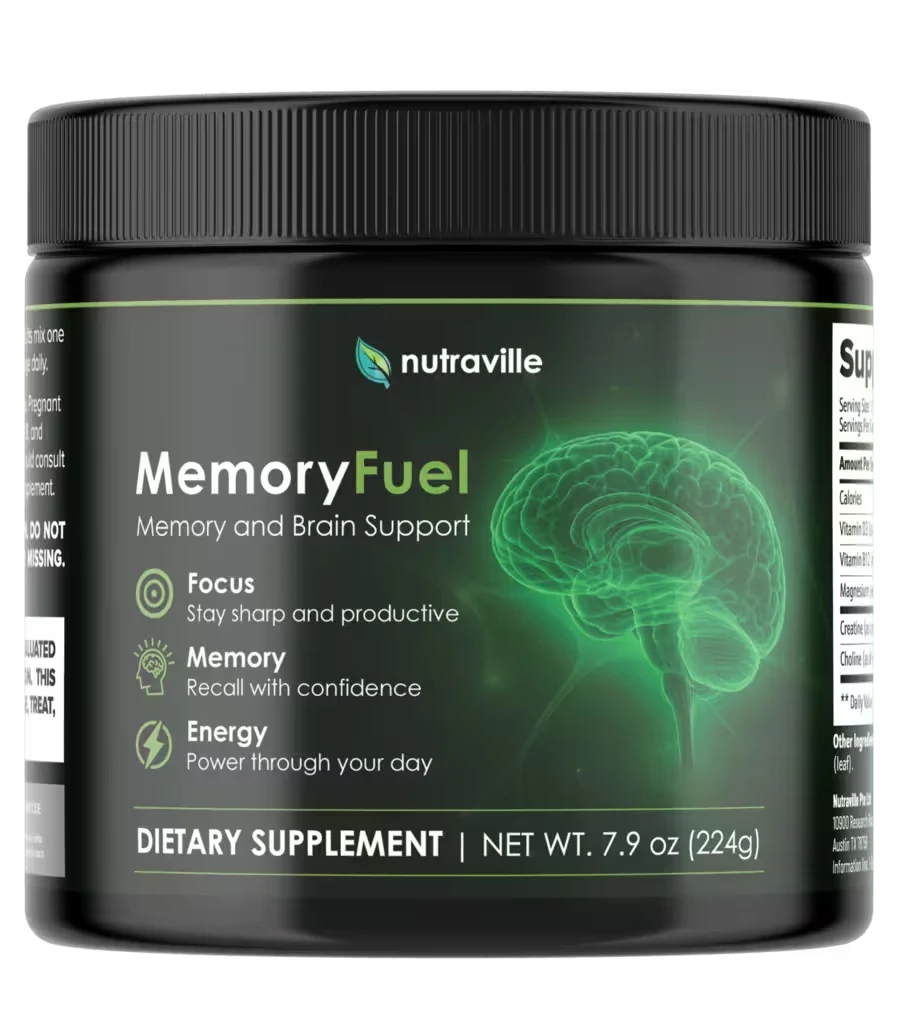
Compare creatine, choline, magnesium, vitamin D, vitamin B12, L-theanine, or other nutrients with products you already use.
Check whether the product contains caffeine or ingredients that may be sedating.
Choose one measurable focus task and establish a baseline before starting.
Introduce the product alone and keep sleep, caffeine, and task timing as consistent as possible.
How MemoryFuel fits into the routine
MemoryFuel is promoted for memory and focus. Online descriptions have listed ingredients such as creatine, L-theanine, choline, magnesium glycinate, vitamin D3, and vitamin B12, but formulations can change. Verify every amount on the current label.
Before you use it: Kidney disease, high calcium, medication interactions, and duplicate nutrient intake can change the risk-benefit calculation. Ask a clinician or pharmacist when in doubt.
New confusion, trouble speaking, facial droop, sudden severe headache, weakness, or abrupt vision change is an emergency. Gradual memory concerns that affect daily life deserve a clinician’s assessment.
Why “brain fog” needs a smaller target
“Focus better” is too vague to act on. Choose one result you can finish: reconcile five transactions, draft three paragraphs, or call one person. A supplement cannot organize an unclear task, but a short ritual can reduce the friction that often looks like poor concentration.
Kate’s 20-minute single-task ritual
Minute 0–2: write one visible outcome on paper. Close every tab that does not serve it.
Minute 2–4: drink water and check whether hunger, pain, poor sleep, or a medication side effect is the real distraction.
Minute 4–19: set a 15-minute timer and work on only the chosen outcome. Put the phone in another room.
Minute 19–20: mark the next physical action so restarting later is easy.
CogniSurge: verify the formula, not the headline
CogniSurge is promoted for memory and focus, but online descriptions of its formula are inconsistent. Some pages emphasize mushroom or botanical blends; others describe different cognitive ingredients. Before purchasing, open the current Supplement Facts image and check the exact ingredients, amounts, serving size, stimulant content, allergen information, and return policy.
Use the current label to confirm the actual formula.
Adults using antidepressants, sedatives, anticoagulants, thyroid treatment, blood-pressure medicine, diabetes medicine, or multiple nootropics should ask a pharmacist to check for overlap and interactions. Start no more than one new supplement at a time so adverse effects are easier to identify.
For seven days, count completed focus blocks—not how “sharp” you feel. Also record sleep duration, caffeine, mood, and headaches. If concentration worsens or memory lapses interfere with safety, finances, driving, or medicines, arrange a medical evaluation.
If you purchase through a link on this page, Simple Health Rituals may earn a commission at no extra cost to you.
Sudden confusion, weakness, facial droop, trouble speaking, or a severe new headache is an emergency. Persistent cognitive changes deserve medical assessment.
Your brain needs a task, not a vague promise
The word “neuroplasticity” can sound like a shortcut. In practice, the brain changes in response to repeated, specific effort. This routine pairs one small learning challenge with sleep, movement, and attention—the foundations a supplement cannot replace.
The ritual: small enough to repeat
Choose one skill narrow enough to practice for five minutes: a language phrase, a chord change, a memory list, or a balance drill.
Remove competing input. Silence notifications and put one sheet of paper in front of you.
Practice for five minutes, rest for one, then retrieve the skill from memory without looking.
Take a five-minute walk or perform gentle movement if medically appropriate; physical activity supports the broader routine.
If NeuroPrime is part of your plan, use only the serving shown on the current label and keep the timing consistent.
How NeuroPrime fits into the routine
NeuroPrime is marketed around brain training and neural support. Treat any supplement as an adjunct to repeated practice, not the source of neuroplasticity. Confirm whether the current offer is a supplement, a digital program, or a bundle, and read the exact ingredient panel and billing terms before purchase.
Before you use it: Check for stimulants, sedating ingredients, allergens, and botanicals that can interact with antidepressants, anticoagulants, thyroid medicines, or blood-pressure drugs. Introduce only one new product at a time.
Record the skill practiced, minutes completed, sleep duration, and whether you could retrieve the material later that day. Completed repetitions are a more honest metric than “feeling sharper.”
When the ritual is not enough
If memory lapses affect driving, finances, medication use, or familiar tasks, arrange a clinical evaluation rather than increasing supplements.
Related rituals
Continue with these related Simple Health Rituals guides: