Author: Simple Health Rituals

  • Audifort and Tinnitus: Evidence, Label Checks and Hearing Care

    Audifort and Tinnitus: Evidence, Label Checks and Hearing Care

    If ringing or buzzing has sent you searching for Audifort, start with the evidence boundary: dietary supplements are not established tinnitus treatments. A hearing-care routine can still help you organize observations and seek appropriate support. This guide explains the product’s place as an optional purchase decision, without presenting it as a cure.

    Affiliate disclosure: This article contains affiliate links. We may earn a commission if you purchase through them, at no extra cost to you. This is an editorial label guide, not a report of personal product testing or medical advice.

    What is Audifort?

    The Audifort sales page markets a liquid dietary supplement for hearing support. It highlights ingredients such as maca, grape seed, green tea, capsicum, gymnema, and GABA. Those descriptions come from the seller. We have not independently verified a complete current panel with amounts or a clinical trial establishing the finished product as a tinnitus treatment.

    Official Audifort supplement bottles
    Official vendor image. Audifort is marketed as an oral supplement, not an ear-drop medicine.

    Do not put an oral supplement into your ear. A bottle with a dropper can look similar to an ear medicine, but packaging style does not determine its use. Check the route and directions on the actual label, and ask a pharmacist if there is any uncertainty.

    What the tinnitus evidence says

    The National Institute on Deafness and Other Communication Disorders states that vitamins, herbal extracts, and dietary supplements marketed for tinnitus have not been proven effective. Tinnitus can have different contributing causes, including hearing loss or other ear problems. That is why a hearing assessment can matter more than choosing between supplement testimonials.

    A claim about circulation, relaxation, or an ingredient’s laboratory activity does not by itself demonstrate a reduction in tinnitus for people taking this bottle. Ask whether the evidence concerns the actual formulation and the outcome you care about. If the answer is unclear, keep that limitation visible in your decision.

    Prepare a useful hearing-care note

    Before an appointment, write down when the sound started, whether it affects one or both ears, and how you would describe it. Note whether it seems to follow your heartbeat, whether your hearing has changed, and whether it affects sleep or concentration. Bring your medication and supplement list so the clinician can review relevant possibilities.

    Keep the note short enough to use. You do not need to monitor the sound continuously or rate it every few minutes. One brief entry when something meaningful changes is often easier to discuss than pages of anxious checking. Describe the experience without trying to diagnose it from an internet checklist.

    An example might read: “Buzzing in the left ear since last week; most noticeable in a quiet bedroom; struggling to follow conversation in a busy room.” A clinician can decide which examination or testing is appropriate. Do not use an online review to rule out a cause.

    A gentle evening routine without a purchase

    Choose a comfortable setting. If complete silence makes the sound more intrusive, consider quiet background sound at a comfortable level. Keep it low enough for comfort; the objective is not to overpower tinnitus with loud sound. Choose something ordinary, such as a quiet fan or soft ambient audio, if it suits you.

    Make tomorrow easier. Put your appointment questions and any relevant packaging in one place. Decide on one next step, such as contacting a hearing-care professional. Once the note is made, move to a familiar evening activity rather than repeatedly comparing the sound with yesterday.

    Separate comfort from treatment claims. Record whether an evening arrangement helped you settle, not whether it “cured” tinnitus. A better night cannot identify which of several changes helped, and it does not establish that a supplement is effective.

    If tinnitus is distressing, ask about established management options. Depending on your needs, these may include hearing aids when hearing loss is present, sound-based approaches, or cognitive behavioral therapy. A professional can help select an approach appropriate to your situation.

    The Audifort label checklist

    First, confirm the route and serving information. Obtain a clear back-label photograph. Use the directions on the current bottle and professional advice rather than a dose quoted from an old advertisement. Make sure the product delivered matches the one you researched.

    Second, review suitability. Take the full ingredient panel to a pharmacist, particularly if you take medicines or use other supplements. Mention relevant health conditions, pregnancy or breastfeeding, and any planned procedure. “Natural” does not replace an interaction review.

    Third, check the commercial terms. Confirm bottle count, the total payable amount, any recurring charge, and the refund process. Save the receipt and label. Do not let a bundle discount decide a health question that remains unanswered.

    Finally, distinguish seller claims from your decision. Write down which claims remain unverified. You can decide not to purchase, postpone until you receive information, or discuss it with a professional. None of those decisions requires ignoring your symptoms.

    Questions readers often ask

    Can Audifort replace a hearing test? No. A supplement cannot identify the cause of ringing or measure hearing loss. New or changing symptoms should be discussed with a qualified professional.

    Is the dropper meant for the ear? No. The offer reviewed here is marketed as an oral supplement. Never use an oral product in the ear. Check the label if the bottle or product name differs.

    What if reviews report dramatic improvement? Individual stories cannot establish cause and effect, exclude other changes, or show that you will have the same experience. Give more weight to relevant controlled evidence and professional assessment.

    When should I seek urgent help? A sudden hearing change should not wait for a supplement trial. The NIDCD describes sudden deafness as a medical emergency; seek medical care immediately. If you are unsure how urgently a new symptom needs attention, contact a healthcare service for guidance.

    Related rituals

    Continue with these related Simple Health Rituals guides:

    For a companion routine, see our Audifort hearing-support review. Our screen-tired eye guide applies the same principle: give symptoms their own assessment rather than assuming a supplement answers them.

  • SugarMute Ingredients and Safety: A Pre-Purchase Checklist After 40

    SugarMute Ingredients and Safety: A Pre-Purchase Checklist After 40

    This checklist covers SugarMute’s stated ingredients, label details, medication questions and purchase terms. Use it to organise what you need to verify before considering a supplement marketed for blood sugar support.

    SugarMute supplement bottle

    What to check on the label

    SugarMute is described as a plant-based blood sugar support supplement containing Black Walnut, Flaxseed, Glucomannan and probiotics. This description identifies highlighted ingredients; it does not establish personal suitability or expected results.

    The supplied information does not include ingredient amounts, probiotic strain names, serving size or directions. Request the complete label before buying. Check all ingredients, allergy information, warnings and storage instructions rather than assuming a short product description covers everything.

    Medication and health questions to ask first

    Bring the label and a list of your medicines and supplements to your doctor or pharmacist. Ask whether the ingredients and their amounts are appropriate for your health history. Consult your doctor before combining it with existing medication, particularly if you already receive treatment for blood sugar management.

    Do not self-treat a warning sign, change prescribed treatment or use a supplement purchase to postpone an assessment.

    Check the purchase terms

    Listed prices are $79 per bottle for two bottles, $59 per bottle for three and $49 per bottle for six. Free US shipping is offered on six-bottle orders. A 90-day money-back guarantee is advertised; confirm the checkout total and applicable refund instructions before ordering.

    A simple ritual to pair with it

    Set aside five minutes to organise your existing care instructions, label questions and next appointment details. If your clinician has asked you to keep a record, follow their guidance rather than creating a new monitoring plan from a sales page.

    Why this deserves a structured ritual

    A metabolic-wellbeing checklist keeps the decision focused on clear information and continuity of care. A lower per-bottle price does not resolve unanswered questions about the formula.

    Related rituals

    Continue with these related Simple Health Rituals guides:

    This is general wellness information, not medical advice. Simple Health Rituals may earn a commission through affiliate links.

  • Phytomem One Ingredients and Safety: A Pre-Purchase Checklist After 40

    Phytomem One Ingredients and Safety: A Pre-Purchase Checklist After 40

    This checklist covers Phytomem One’s stated ingredients, medication questions and purchase terms. Use it to identify missing label details before considering a supplement marketed for memory and mental clarity.

    Phytomem One supplement bottle

    What to check on the label

    Phytomem One is described as a 10-in-1 neuro-essential capsule formula organised into three named ingredient groups. The supplied description highlights Morosil, a Sicilian red orange extract, alongside Saffron Extract, Berberine HCl and Fucoxanthin.

    That description does not provide the complete ingredient list, group names, amounts or daily directions. Request a readable label before buying. Check what each serving contains rather than assuming “10-in-1” explains the formula or establishes its benefits.

    The manufacturer describes the formula as non-GMO, stimulant-free and “100% natural.” Treat these as product claims; they do not answer whether the ingredients are suitable for your circumstances.

    Medication and health questions to ask first

    Bring the complete label and your current medication and supplement list to your doctor or pharmacist. Ask about the individual ingredients and their amounts. Consult your doctor before combining it with existing medication.

    Do not self-treat a warning sign or postpone assessment of a concerning memory change while trying a supplement.

    Check the purchase terms

    Listed prices are $79 per bottle for two bottles, $59 for three and $49 for six. The three- and six-bottle packages advertise free US shipping and three bonus eBooks. A 60-day money-back guarantee is offered; confirm the applicable refund instructions and checkout total.

    A simple ritual to pair with it

    Take five minutes to write tomorrow’s priorities and choose a consistent place for your keys and essential items. Keep any questions about memory or concentration in a separate note for your appointment.

    Why this deserves a structured ritual

    A checklist separates everyday organisation from a supplement purchase. Clear ingredient information and individual advice should guide the decision, rather than bundle size or bonus materials.

    Related rituals

    Continue with these related Simple Health Rituals guides:

    This is general wellness information, not medical advice. Simple Health Rituals may earn a commission through affiliate links.

  • Quietum Plus Ingredients and Safety: A Pre-Purchase Checklist After 40

    Quietum Plus Ingredients and Safety: A Pre-Purchase Checklist After 40

    This checklist covers Quietum Plus’s stated ingredients, label questions, medication considerations and purchase terms. Use it to organise the information you need before considering a supplement marketed for hearing changes or tinnitus support.

    Quietum Plus supplement bottle

    What to check on the label

    Quietum Plus is described as a hearing and tinnitus-support supplement containing 18 plant-based, non-GMO ingredients, marketed toward age-related hearing changes. That description explains its intended positioning; it does not establish what results you will experience.

    The supplied information does not name the individual ingredients, their amounts, serving size or directions. Request a complete, readable label before buying. Check the warnings, other ingredients and any storage instructions rather than filling in missing details from another review.

    The manufacturer states that the product contains no stimulants and is produced in an FDA-registered, GMP-certified US facility. Keep those manufacturing claims separate from questions about personal suitability.

    Medication and health questions to ask first

    Bring the complete label and your current medication and supplement list to your doctor. Ask whether any ingredient raises concerns given your health history. Consult your doctor before combining it with existing medication.

    Do not self-treat a warning sign or assume a hearing change is simply part of getting older. Seek professional assessment rather than postponing care while trying a supplement.

    Check the purchase terms

    Listed pricing starts at $79 per bottle for the two-bottle starter package and falls to $49 per bottle for six bottles. A 60-day money-back guarantee is advertised. Confirm the checkout total and applicable refund instructions before committing.

    A simple ritual to pair with it

    Set aside five minutes to note your concerns, when you notice them and questions for your appointment. Keep the product label alongside those notes.

    Why this deserves a structured ritual

    A written checklist helps separate what the seller states from what remains unanswered. A larger bundle does not resolve missing ingredient information or replace individual advice.

    Related rituals

    Continue with these related Simple Health Rituals guides:

    This is general wellness information, not medical advice. Simple Health Rituals may earn a commission through affiliate links.

  • ProDentim Ingredients and Safety: A Pre-Purchase Checklist After 40

    ProDentim Ingredients and Safety: A Pre-Purchase Checklist After 40

    This checklist covers ProDentim’s stated probiotic content, label details, questions for your dental professional and purchase terms. Use it to check what is known—and what still needs clarification—before adding it to your oral-wellness routine.

    ProDentim supplement bottle

    What to check on the label

    ProDentim is described as an oral-health probiotic supplement containing 3.5 billion CFUs of researched probiotic strains. It is intended to complement regular dental care, not replace it.

    Before buying, check the complete label for strain names, serving size, directions, storage instructions and other ingredients. These details are not included in the supplied product description, so leave them as questions rather than making assumptions.

    The manufacturer states that ProDentim is made in the USA in an FDA-registered, GMP-certified facility. Keep that manufacturing claim separate from questions about whether the supplement suits your needs.

    Medication and health questions to ask first

    Bring the label to your dentist or doctor, along with a list of medicines and supplements you use. Ask whether your health history or existing treatment changes the advice. Consult your doctor before combining it with existing medication.

    Do not self-treat a warning sign or postpone dental assessment while trying a supplement.

    Check the purchase terms

    The listed price is $69 plus shipping for one bottle, $59 per bottle with free shipping for three, or $49 per bottle with free shipping for six. A 60-day money-back guarantee is advertised. Check the final total and refund instructions before ordering.

    A simple ritual to pair with it

    Keep your regular dental-care routine in place. Set aside five minutes to write down label questions and anything you want to discuss at your next appointment.

    Why this deserves a structured ritual

    A short written checklist helps you separate product claims, unanswered questions and purchase costs. Buying more bottles does not resolve missing information.

    This is general wellness information, not medical advice. Simple Health Rituals may earn a commission through affiliate links.

  • BioDynamix Joint Genesis Ingredients and Safety: A Pre-Purchase Checklist After 40

    BioDynamix Joint Genesis Ingredients and Safety: A Pre-Purchase Checklist After 40

    This checklist covers BioDynamix Joint Genesis ingredients, label details, medication questions and purchase terms. Use it to organise what you need to verify before adding a joint-support supplement to your routine.

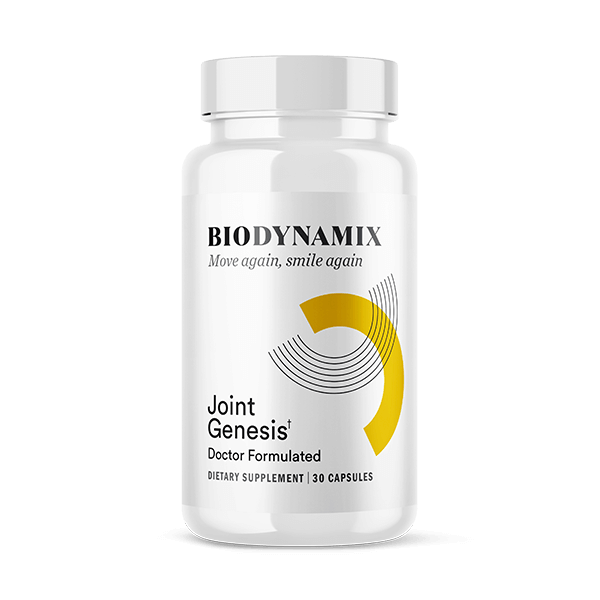
    BioDynamix Joint Genesis supplement bottle

    What to check on the label

    BioDynamix Joint Genesis combines Mobilee, French maritime pine bark, ginger root and Boswellia Serrata. The manufacturer describes Mobilee as a patented ingredient that elevates hyaluronic acid levels to support synovial fluid and cartilage. Treat that as a manufacturer claim rather than a promise of personal results.

    The stated directions are one capsule daily, with a 30-day supply per bottle. Check the current label for ingredient amounts and warnings. The manufacturer describes the product as vegan-friendly, non-GMO and free from gluten, dairy, nuts, soy and eggs, and states that it is made in a cGMP-certified, FDA-inspected US facility.

    Medication and health questions to ask first

    Consult your doctor before combining it with existing medication. Bring the complete label and a list of medicines and supplements you already use. Ask whether your health history or allergies raise any concerns. Do not self-treat a warning sign or use this checklist to postpone an assessment.

    Check the purchase terms

    Listed prices are $79 per bottle for two bottles, $69 for three and $49 for six. The six-bottle package includes free US shipping and two bonus eBooks. A 180-day money-back guarantee is advertised; read the applicable refund instructions before ordering.

    A simple ritual to pair with it

    Set aside five minutes to record your label questions, current movement routine and any concerns to discuss. If you decide to use the supplement, follow the current directions and professional advice.

    Why this deserves a structured ritual

    A written checklist keeps the decision focused on suitability, clear instructions and total cost rather than package size or promotional extras.

    Related rituals

    Continue with these related Simple Health Rituals guides:

    This is general wellness information, not medical advice. Simple Health Rituals may earn a commission through affiliate links.

  • Arctic Blast and Heating Pads: A Topical Pain-Relief Safety Checklist

    Arctic Blast and Heating Pads: A Topical Pain-Relief Safety Checklist

    A sore shoulder can make a heating pad and a cooling topical product seem like a sensible combination. Before layering treatments, check the labels. This Arctic Blast guide focuses on heat, skin, application limits, and when a recurring ache needs assessment. It is a safety checklist, not a promise of relief or a substitute for investigating pain.

    Affiliate disclosure: This article contains affiliate links. We may earn a commission if you purchase through them, at no extra cost to you. This is an editorial label guide, not a report of personal product testing or medical advice.

    What the Arctic Blast label actually lists

    The Arctic Blast label on DailyMed, updated March 10, 2025, lists menthol 10% and camphor 3% as active ingredients. It describes a topical analgesic for temporary relief of minor muscle and joint aches. Confirm your own bottle matches that listing; a name alone is not enough if a formulation changes.

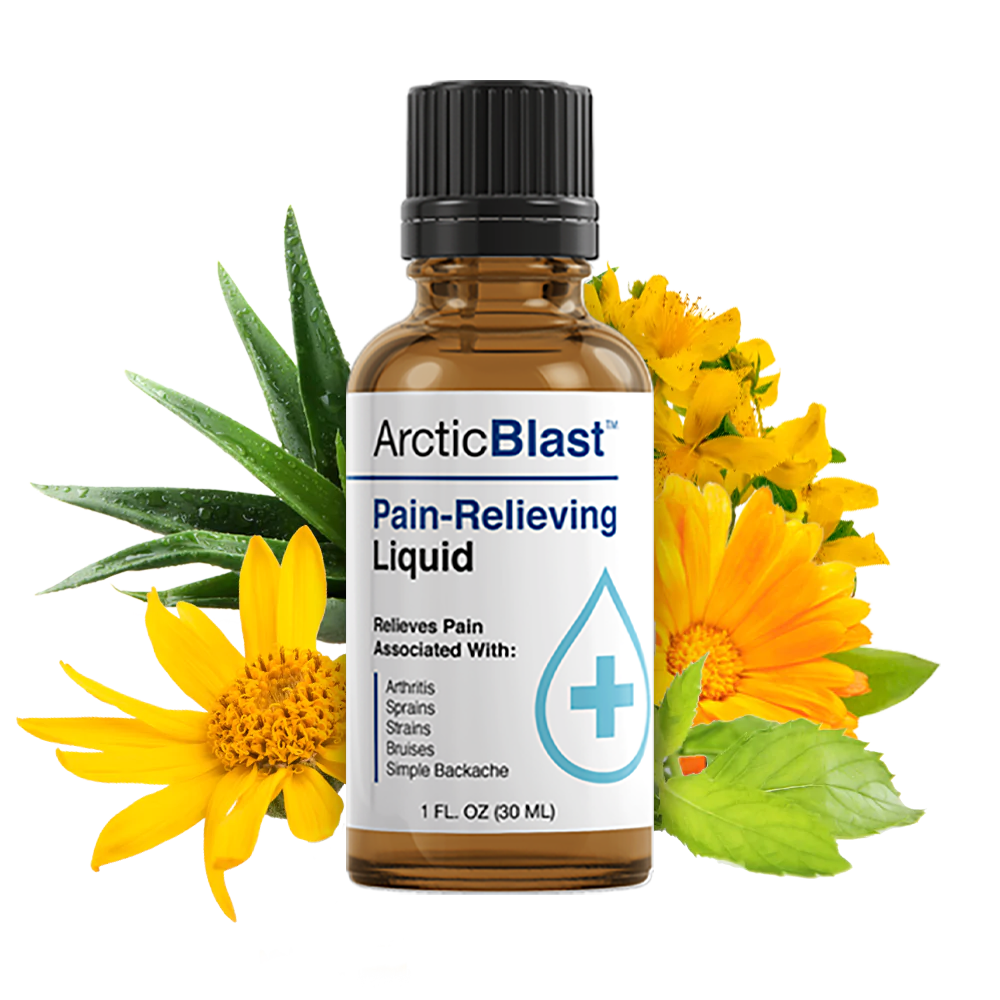
    Official Arctic Blast topical product bottle
    Official vendor product image. Follow the warnings on the bottle you have.

    A temporary pain-relief product does not repair an injury or explain why a joint keeps hurting. Keep the decision about using a topical separate from the decision about seeking an assessment. Relief can change how something feels without establishing that an underlying problem has resolved.

    Can you combine it with a heating pad?

    Do not improvise a combination of topical pain relief and a heating pad. Keep heat away from the treated area unless a qualified professional has checked the exact products and given appropriate advice. “Cooling” describes a sensation; it does not mean skin is protected from heat or irritation.

    Other menthol topical labels on DailyMed explicitly prohibit heating pads and tight bandaging. This is a class-related precaution, not a quotation from Arctic Blast’s label. Arctic Blast’s own listing also warns about flammability and keeping the product away from heated surfaces.

    Avoid stacking a hot-water bottle, heat wrap, or second topical over the same area just because each item is available without a prescription. If your clinician has already advised heat for a particular condition, ask how that advice fits with the topical product before combining them.

    Read these bottle warnings first

    The cited Arctic Blast label specifies external use only, avoidance of eyes and damaged skin, and no tight bandaging. It says adults should apply no more than three to four times daily and should stop and seek advice if symptoms worsen, last more than seven days, or recur within a few days. These are maximum label limits, not a target to reach. Check your current package for complete directions.

    The listing also advises asking a health professional before use during pregnancy or breastfeeding. Keep the bottle away from children and follow its accidental-ingestion instructions if an exposure occurs. Do not transfer the liquid into a food or drink container.

    A two-minute setup before application

    Check the skin. Look at the intended area before opening the bottle. Do not apply over a scrape, rash, or otherwise damaged skin. If you cannot see the area well, use a mirror or ask for appropriate help. Avoid treating an area simply because clothing hides it.

    Clear away competing products. Put heating devices and other pain rubs aside. Keep one current label in front of you so you are not mixing instructions from several products. If a previous product is still on the skin, ask a pharmacist how to proceed rather than layering another over it.

    Choose a practical time. Apply only as directed on the current label. Allow yourself enough time to notice an unexpected skin reaction instead of applying hurriedly just before sleep. Keep the container closed and stored according to its warnings afterward.

    Use the post-walk pause to notice patterns

    Kate illustrating a gentle shoulder pause at a desk
    Kate is an AI-generated editorial character. This image illustrates a routine, not a customer testimonial.

    After an ordinary walk, sit or stand comfortably and record where discomfort occurred, what you were doing, and whether the same activity has triggered it before. Note footwear, distance, or an unusually heavy bag if relevant. The purpose is to describe a pattern, not to prove a diagnosis from a diary.

    If you choose to use a topical after checking suitability, record the product and time. Do not deliberately repeat a painful movement to “test” the effect. Keep planned activity within your existing advice and comfort limits. A product that temporarily changes sensation is not permission to push through worsening pain.

    A useful diary entry might read: “Right shoulder felt tight after carrying groceries; used no heat; checked the label; will ask about it because this has happened repeatedly.” That note is more informative than a simple star rating for the product. It also separates the symptom from your expectations about a purchase.

    When to stop the experiment

    Stop using the product if it causes a concerning reaction and obtain appropriate medical advice. Severe pain, blistering, or a burn needs prompt attention. Do not cover an unexpected reaction with another cream or add heat in an attempt to make the first product work better.

    Persistent, recurrent, or worsening symptoms deserve assessment rather than progressively more applications. Follow the product’s stop-use instructions even if some of the bottle remains. If pain follows a significant injury or you cannot use the affected limb normally, prioritize medical assessment over trying another topical.

    Quick questions

    Can I use more for stronger relief? No. Follow the current directions and maximum frequency. More product is not a reliable route to better results and may increase harm.

    Can I tightly wrap the area afterward? The cited Arctic Blast label says not to bandage tightly. Do not improvise an occlusive wrap to intensify the sensation.

    Does a strong tingling feeling prove it is working? Sensation does not establish healing or safety. Pay attention to the label and any adverse reaction rather than seeking a stronger feeling.

    For a simple movement companion, read our Arctic Blast desk-reset guide. For another example of checking a supplement before adding it to a routine, see the LIV PURE morning guide.

  • LIV PURE Ingredients and Safety: A Pre-Purchase Checklist After 40

    LIV PURE Ingredients and Safety: A Pre-Purchase Checklist After 40

    If you are researching LIV PURE ingredients, start with a readable current label. A “liver support” phrase does not explain the amount of each ingredient, whether it is suitable with your medicines, or whether the finished product has demonstrated the benefit you want. This guide turns those uncertainties into questions you can answer before purchasing.

    Affiliate disclosure: This article contains affiliate links. We may earn a commission if you purchase through them, at no extra cost to you. This is an editorial label guide, not a report of personal product testing or medical advice.

    What this guide verifies—and what still needs the label

    LIV PURE is sold as a dietary supplement. The product image below identifies the offer discussed on this site; it is not an independent quality certificate. We have not verified a complete current numerical Supplement Facts panel for this article. Rather than reproduce an ingredient list from an older review as current fact, we recommend obtaining the panel directly from the seller and checking the bottle delivered.

    Official LIV PURE product image
    Official vendor product image. Request the current back label before deciding.

    Keep the exact product name, seller, quantity, and date together in your notes. If a checkout page, email offer, or package shows a different formulation, treat it as a new comparison. A familiar brand name does not guarantee that every description you find online refers to the same version.

    How to assess a detox claim

    “Detox” is a marketing term that needs a concrete explanation. What substance is supposedly being removed, how was that measured, and was the finished product tested? NCCIH’s review of detoxes and cleanses describes the limited quality of research behind many detox programs. That evidence gap should not be replaced with testimonials or an appealing before-and-after story.

    Ask for the actual study if a sales page cites research. Check whether it studied this finished formulation, a single ingredient, animals, or cells. Those are different kinds of evidence. If the seller cannot supply a relevant human study, record the claim as unconfirmed rather than describing it as an expected result.

    A five-part pre-purchase checklist

    1. Get both sides of the label. You need serving size, ingredient amounts, other ingredients, directions, warnings, and the responsible company. A cropped promotional image may leave out the details a pharmacist needs. If a blend conceals individual amounts, note that limitation explicitly.

    2. Compare everything you already take. Include prescriptions, occasional pain medicines, vitamins, teas or concentrated herbal products, and other weight-management supplements. Take this list and the LIV PURE panel to a pharmacist or clinician. Do not stop prescribed treatment to create space for a supplement.

    3. Explain your health goal. “I want more energy” and “my liver blood tests were abnormal” require different conversations. A supplement review cannot diagnose fatigue or interpret a laboratory result. If symptoms or test results prompted your search, bring those to a qualified professional before choosing a product.

    4. Read the order terms. Check the number of bottles, total price including shipping, whether billing repeats, the return window, and the process for requesting a refund. Save the confirmation. These are practical consumer checks; a refund promise does not demonstrate medical effectiveness.

    5. Decide what information is missing. Write one sentence: “I will decide after I have ___.” That blank might be a readable label, a medication review, or clarification of the checkout terms. Do not let an urgency timer answer a question it cannot resolve.

    A supplement can have risks even when it is sold legally

    Dietary supplements are not approved by the FDA for effectiveness before they reach the market. The FDA’s consumer questions and answers explains the regulatory distinction. “Available to buy,” “made in a registered facility,” and “proven to treat a condition” are not equivalent statements.

    Some supplements have been associated with liver injury. NIDDK’s introduction to LiverTox explains why clinicians review medicines and supplements when investigating liver problems. This is a general safety consideration, not a claim that LIV PURE caused an injury in a particular person.

    If you have liver disease, abnormal tests, or a complex medication list, use professional advice to decide whether any proposed supplement belongs in your routine. Avoid changing several products at once; that makes it harder to describe what you took and when. Keep packaging and purchase details available if a concern develops.

    Keep the morning ritual independent of the purchase

    Kate illustrating a calm morning breakfast routine
    Kate is an AI-generated editorial character. This image illustrates a routine, not a customer testimonial.

    Use breakfast as a five-minute planning cue. Put your usual breakfast on the table, check the day’s schedule, and write down one manageable activity you already know is appropriate for you. Keep prescribed medicines on their established schedule. No special cleanse drink or supplement purchase is required to use this planning ritual.

    In a simple notebook, record breakfast time, the activity you planned, and whether you followed through. Keep health symptoms in a separate note for your clinician. This tracker measures consistency, not liver function or a supplement’s effectiveness. A week of feeling better cannot establish that a product changed your liver health.

    Questions to take away

    Can I use LIV PURE to treat fatty liver or replace a prescribed medicine? Do not use this guide or the product’s marketing as a treatment plan. Discuss a diagnosed liver condition with your clinician.

    Should I copy an ingredient list from a marketplace? Use it only as a lead to check. Confirm the current manufacturer label and the bottle you receive before relying on any amount or direction.

    What is a useful outcome of this checklist? A documented decision: buy only after the relevant questions are answered, seek advice, or choose not to buy. All three can be reasonable outcomes.

    Related rituals

    Continue with these related Simple Health Rituals guides:

    For a practical companion routine, see our LIV PURE morning ritual. Our PhytoMemonE metabolic tracking guide offers another way to record habits without claiming to measure supplement effects.

  • iGenics Ingredients: An Eye-Supplement Label Checklist After 40

    iGenics Ingredients: An Eye-Supplement Label Checklist After 40

    Before buying iGenics for screen-tired eyes, separate three questions: what is in the bottle, what the evidence actually applies to, and what is causing your symptoms. An eye-supplement sales page cannot answer all three. This checklist helps you prepare for a useful conversation with an eye-care professional instead of choosing a bottle by its longest ingredient list.

    Affiliate disclosure: This article contains affiliate links. We may earn a commission if you purchase through them, at no extra cost to you. This is an editorial label guide, not a report of personal product testing or medical advice.

    What can be verified about iGenics?

    The iGenics sales page describes an eye-health supplement and highlights ingredients including ginkgo, bilberry, saffron, and turmeric with BioPerine. Those are manufacturer statements. The accessible page did not provide a complete, readable numerical Supplement Facts panel for this review, so this article does not assign unverified doses or claim that the finished product matches a clinical trial formula.

    Official iGenics product bottles
    Official vendor product image. Packaging artwork does not replace the Supplement Facts on your bottle.

    A front-of-bottle photograph can help identify the product, but it is not enough to compare servings, amounts, warnings, or other ingredients. Ask the seller for clear front-and-back label photographs before paying if the facts panel is not readable. Save those photographs with the date so you know which formulation you evaluated.

    AREDS2: the diagnosis matters

    AREDS2 supplements have a specific role for some people with age-related macular degeneration. They are not a general treatment for tired eyes. The National Eye Institute explains who may benefit, including people with intermediate AMD. A reference to AREDS2 in marketing does not establish that a different blend has the same composition or benefits.

    People who smoke or formerly smoked should also ask about beta-carotene: the NEI trial summary explains the concern with older AREDS formulations. Bring the actual label and your eye diagnosis to the appointment. Do not infer suitability from being over 40 or spending long hours on a laptop.

    A ten-minute label review

    Minutes 1–2: identify the exact bottle. Write down the product name, seller, lot or batch information if available, and date of the label photograph. Check that the checkout page is selling the same product and quantity. Similar product names and old images make comparisons surprisingly easy to get wrong.

    Minutes 3–4: read the serving size. Record how many capsules constitute one serving and how many servings the bottle contains. An amount “per serving” is not necessarily an amount “per capsule.” Leave a blank where an amount is undisclosed; guessing defeats the exercise.

    Minutes 5–6: compare your existing products. Put your multivitamin and any other eye supplement alongside the label. Circle repeated vitamins, minerals, and botanicals. Ask a pharmacist to review total daily amounts and interactions; do not combine two products simply because their front labels use different health claims.

    Minutes 7–8: collect your questions. Record prescription medicines, over-the-counter products, allergies, planned procedures, and your reason for considering the supplement. This list belongs with your clinician or pharmacist, not in a public blog comment.

    Minutes 9–10: make a decision you can explain. Your choices are to obtain missing information, discuss the label with a professional, or decide the product is not needed. There is no requirement to buy something at the end of the checklist.

    Why the ginkgo question deserves attention

    Ginkgo may interact with medicines and increase bleeding risk in people taking anticoagulants such as warfarin. NCCIH’s ginkgo fact sheet is a useful starting point. This is a reason for a medication review, not a reason to stop a prescribed medicine or assume every botanical has the same risk.

    Also ask what the seller can document about the finished formulation. Evidence concerning one ingredient at one dose does not automatically transfer to a multi-ingredient bottle. A manufacturing-quality claim and a study demonstrating a clinical benefit answer different questions. Keep those questions separate on your notes.

    Give screen discomfort its own plan

    Kate illustrating an evening screen-break routine
    Kate is an AI-generated editorial character. This image illustrates a routine, not a customer testimonial.

    Burning, grittiness, and fluctuating comfort may need an eye examination rather than a new supplement. NEI’s dry-eye guidance discusses tear-film problems and treatment options. Note when symptoms occur, contact-lens use, and whether breaks help. Avoid interpreting one better evening as proof a supplement worked.

    For a simple record, use four columns: screen session, symptom description, break taken, and question for the appointment. Record your experience in ordinary language. If you already have a diagnosis or treatment plan, follow that plan and ask before changing it.

    Common buying questions

    Does “contains AREDS2 ingredients” mean an AREDS2-equivalent formula? No. Check the complete formula and amounts with your eye-care professional. An overlap in ingredient names is not enough.

    Should I use the dose quoted on a review site? Use the current bottle directions and professional advice. Reviews may describe a different version. This guide deliberately avoids supplying a dose that was not verified from a current full label.

    What if the seller cannot supply a readable label? Pause the purchase. You need that information to compare ingredients and obtain meaningful advice. A discount countdown does not resolve the missing information.

    For daily habits, continue with our iGenics evening eye-comfort guide. For another example of separating a routine from a supplement’s promises, see our Audifort hearing-care review.

  • ElectroSlim 7-Day Hydration Tracker: What Adults Over 40 Should Monitor

    ElectroSlim 7-Day Hydration Tracker: What Adults Over 40 Should Monitor

    A hydration tracker should reduce guesswork, not encourage you to force water past thirst or medical limits.

    This seven-day ElectroSlim journal keeps fluid, activity, weather and symptoms visible.

    Kate Sullivan recording a seven-day hydration and energy tracker
    Fluid intake, thirst, urine color, activity and symptoms belong in the same journal.

    Why this deserves a structured ritual

    Without context, thirst and urine color can be overinterpreted while medication effects or illness are missed.

    Do not self-treat a warning sign. Confusion, fainting, severe weakness, chest pain, persistent vomiting, very low urine output or major swelling needs medical attention. Follow prescribed fluid restrictions.

    What ElectroSlim is—and what to verify

    ElectroSlim is marketed around hydration, electrolytes and metabolic support. Verify the actual form, electrolyte amounts, caffeine or other stimulants, sweeteners, serving directions and warnings on the current label; the name alone does not establish a need.

    Affiliate note: Simple Health Rituals may earn a commission if you purchase through the sponsored link below, at no extra cost to you. That never replaces the label, your medication list or professional advice.

    Simple Promise ElectroSlim lemon-lime powder product jar
    ElectroSlim product image from Simple Promise. Packaging may vary while the manufacturer transitions to its new design.

    The seven-day measured hydration tracker

    Step 1: Choose one observable outcome

    Record approximate fluids, thirst, activity duration and any swelling, dizziness or headache at consistent times.

    Step 2: Record a two-day baseline

    Measure the same outcome for two days before adding the product. Keep sleep, meals, water and activity visible.

    Step 3: Keep timing consistent

    If the current label is appropriate, use only its directed serving at the same time and do not add another new product.

    Step 4: Complete the paired habit

    Pair the same morning glass and breakfast with a short walk while respecting clinician-directed limits.

    Step 5: Review the whole pattern

    Compare averages, missed days and unwanted effects. Do not let one unusually good day decide a reorder.

    The current-label checklist

    • Read the full current label, serving directions and warnings—not only the sales-page headline.
    • Check exact amounts, allergens, stimulants and proprietary blends.
    • Review refund, renewal and subscription terms before paying.
    • Photograph the label for a pharmacist if you use medicines or other supplements.
    • Change one variable at a time and never double a missed serving.

    Use a scorecard, not a hunch

    Look for stable energy and thirst without sleep disruption, swelling or progressively larger servings.

    Daily checkRecord
    BaselineSleep, food, water, stress and symptoms before the ritual
    RoutineTime, label-directed serving and the action you completed
    OutcomeA 1–10 score plus one observable result
    ToleranceAny headache, stomach upset, restlessness, rash or other change

    Who should pause?

    Ask a clinician before electrolyte or metabolic products if you have kidney, heart, liver, blood-pressure or diabetes concerns; take diuretics or medicines affecting potassium or sodium; are pregnant; or have a prescribed fluid restriction.

    Bottom line

    The goal is a safe, repeatable hydration habit. A product that encourages excess or hides key amounts fails that test.

    Medical disclaimer: Educational only; not medical advice. Supplements are not intended to diagnose, treat, cure or prevent disease. Product labels and individual responses can change.